Image may be subject to copyright
Everything you'll need to know
About Us
PLENTY OF HISTORY IN THE AREA
Image may be subject to copyright
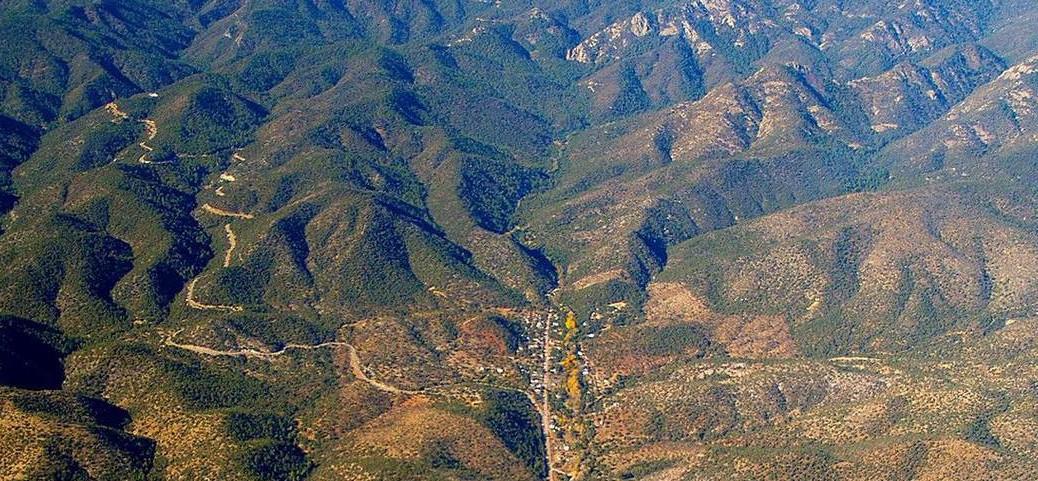
Nestled in the Black Range Mountains of the Gila National Forest, the Black Range Lodge is surrounded by some of the most stunning terrain in the Southwest. First established in the 1880s to host the multitude of prospectors arriving in search of silver, the Lodge retains much of its historical charm and provides current-day explorers an ideal launching point from which to hike, mountain bike, bird, fish or simply relax with a good book in the idyllic mountain environment.
ABOUT YOUR HOSTS
Catherine Wanek:
After growing up in Las Cruces, NM, Catherine lived north, south, east and west, settling in Los Angeles to work as an assistant director in Hollywood film production. Lured by the beauty of Kingston, Catherine purchased the Black Range Lodge in the 1980s with a vision of making movies here, and developing the property into a lush permaculture landscape, which now includes an abundance of fruit trees including apples, pears, peaches, plums, figs, grapes and mulberry. Since then she has worked to honor the roots of the Lodge while adding modern conveniences for guests, and providing a comfortable respite for others seeking rest and relaxation in a natural, healing environment. After building a straw-bale greenhouse in 1992, she became an advocate of "natural building", travelling internationally to research and educate, authoring books and videos, and hosting hands-on workshops at the Lodge to spread the word about ecological construction methods. Books on these subjects are available to read at the Lodge, to purchase.
After growing up in Las Cruces, NM, Catherine lived north, south, east and west, settling in Los Angeles to work as an assistant director in Hollywood film production. Lured by the beauty of Kingston, Catherine purchased the Black Range Lodge in the 1980s with a vision of making movies here, and developing the property into a lush permaculture landscape, which now includes an abundance of fruit trees including apples, pears, peaches, plums, figs, grapes and mulberry. Since then she has worked to honor the roots of the Lodge while adding modern conveniences for guests, and providing a comfortable respite for others seeking rest and relaxation in a natural, healing environment. After building a straw-bale greenhouse in 1992, she became an advocate of "natural building", travelling internationally to research and educate, authoring books and videos, and hosting hands-on workshops at the Lodge to spread the word about ecological construction methods. Books on these subjects are available to read at the Lodge, to purchase.
Gary Harvell:
Gary is our in-house massage therapist, breakfast cook and all-around handyman. When he is not entertaining guests with his stories of life growing up in Texas, he can be found working on his music. He is a songwriter, singer and guitar player and often plays at the outdoor Starlight Concert series hosted by the Lodge during the summer and fall.
THINGS TO NOTE
- Technology: The lodge has wifi, but limited cell service. Guests are welcome to use the Lodge's landline to make local and domestic calls at no additional charge.
- Televisions: Lodge accommodations do not include televisions in each room. If this is something you're interested in, we suggest considering a stay at the Percha Creek House or the Studio.
- Family Friendly: Children are very welcome at the Lodge. When using the hot tub, children must be accompanied by an adult.
- Pet Friendly: Well-behaved dogs are welcome for a small additional fee. Note that we are home to four friendly outdoor cats, which occasionally sneak into the Lodge. If you prefer a pet-free zone, please consider the Percha Creek House or the Studio.
- Breakfast: A complimentary natural foods breakfast is served buffet-style from 8 – 10 AM, featuring fresh whole-grain bread, cereal, fruit, juice, bacon, and eggs from local free-range chickens. The Lodge proudly serves organic, shade-grown "Just Coffee", which is grown and roasted by a family-farm cooperative enterprise, which supports jobs in Mexico and returns the full cost of the coffee to the growing community.
- Local Dining: For other meals, please note that dining options in the area are somewhat limited. You are welcome to use the Lodge's kitchen, guest refrigerator and outdoor grill during your stay, and we can suggest a local and regional restaurants (closest options are in neighboring Hillsboro, located 9 miles from Kingston) should you be interested in dining out.
GENERAL POLICIES
All indoor rooms are non-smoking. Guests are asked to smoke outside or on balconies.
Check-in is 2 pm or later. Please advise us of expected arrival time. Checkout is 12 noon.
We accept cash, checks, and all major credit cards.
Cancellation Policy
Please let us know as soon as possible if your travel plans change. Reservations require one week's notice of cancellation. If cancelled with less than one week's notice, management reserves the right to charge in full for the reservation, unless the room can be re-booked. A lesser cancellation fee may be offered, at the discretion of management.
Check-in is 2 pm or later. Please advise us of expected arrival time. Checkout is 12 noon.
We accept cash, checks, and all major credit cards.
Cancellation Policy
Please let us know as soon as possible if your travel plans change. Reservations require one week's notice of cancellation. If cancelled with less than one week's notice, management reserves the right to charge in full for the reservation, unless the room can be re-booked. A lesser cancellation fee may be offered, at the discretion of management.

